"Дарын" баспасымен бірге кітап әлеміне саяхаттаңыз!
Размер шрифта:
Цветовая схема:
Изображения:
"Дарын" баспасымен бірге кітап әлеміне саяхаттаңыз!

(0) оқырман пікірі
ISBN: 978-601-382-233-4
Категория:Биология, биотехнология, экология
Авторлар: Bibifatima Kaupbayeva
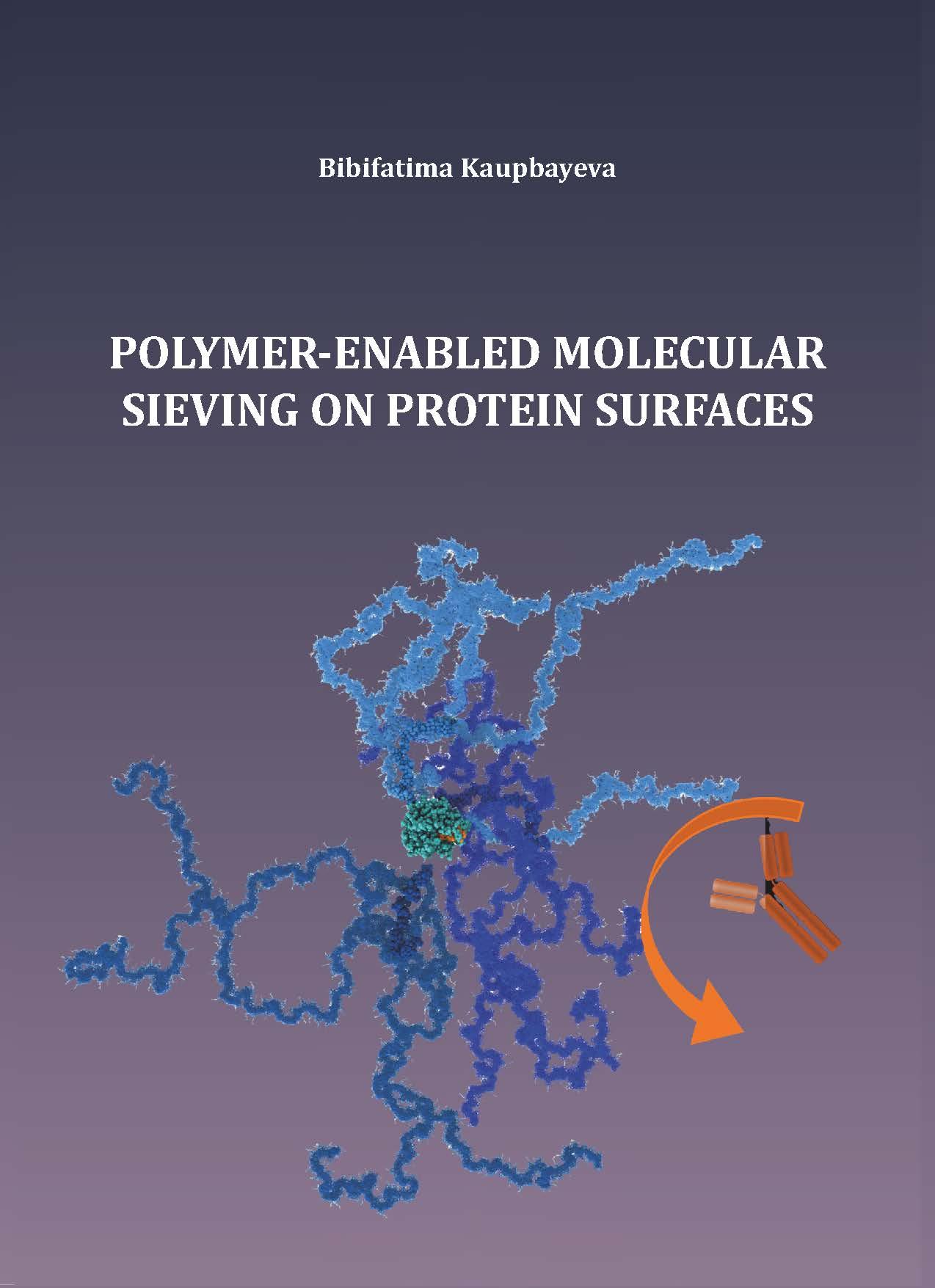
Protein-polymer conjugates are complex molecules with major societal implications. Many advances in medicine, biotechnology, and nanotechnology have been associated with developing these bioconjugates. Synthetic polymers are usually attached to proteins to change or enhance their native properties. Polymer-enhanced biomacromolecular activity, specificity and stability are of particular interest. The most visible impact of coupling polymers to proteins has been on therapeutic proteins. A rich history and literature describe how such polymers increase protein lifetimes in vivo and mask the protein from circulating antibodies and immune cells. Although the attachment of polymers to therapeutic proteins has these benefits, it often comes at an unpredictable cost of reduced functionality. Several studies have shown modification decreases the bioactivity of therapeutic proteins. Research has begun to reveal the influence of polymer molar mass, number of attached polymers, synthetic approach, and polymer architecture on molecular sieving properties. Although rational approaches to polymer-based protein engineering are relatively new additions to the arsenal of approaches to designing protein-displayed molecular sieves, general trends that will help guide future research are emerging. This work investigated polymer architectures grafted from protein using experimental and computational methods to create molecular sieves around a protein without sacrificing activity. Covalently attached polymers must mask the therapeutic protein surface from protease-mediated hydrolysis and immune clearance. In Chapter 2, zwitterionic polymers of varying lengths and grafting densities were grown from avidin. Additionally, biotinylated ligands of different sizes and shapes were used to evaluate how polymers affect protein-ligand interactions. In Chapter 3, the most optimal polymer length and architecture were predicted using molecular dynamic simulations to rationally synthesize protein-polymer conjugates that can minimize protein-protein interactions. Additionally, asymmetric flow field-flow fractionation coupled with light scattering detectors was used for in-depth characterizations of protein-polymer conjugates. The knowledge gained through these studies helps to demystify how covalently attached polymers impact and help to predictably control protein-protein interactions, which can lead to new applications of protein-polymer conjugates in therapeutic and biotechnological industries.
This monograph is available for reading at the National Library of the Republic of Kazakhstan and the State Archive of the City of Almaty.